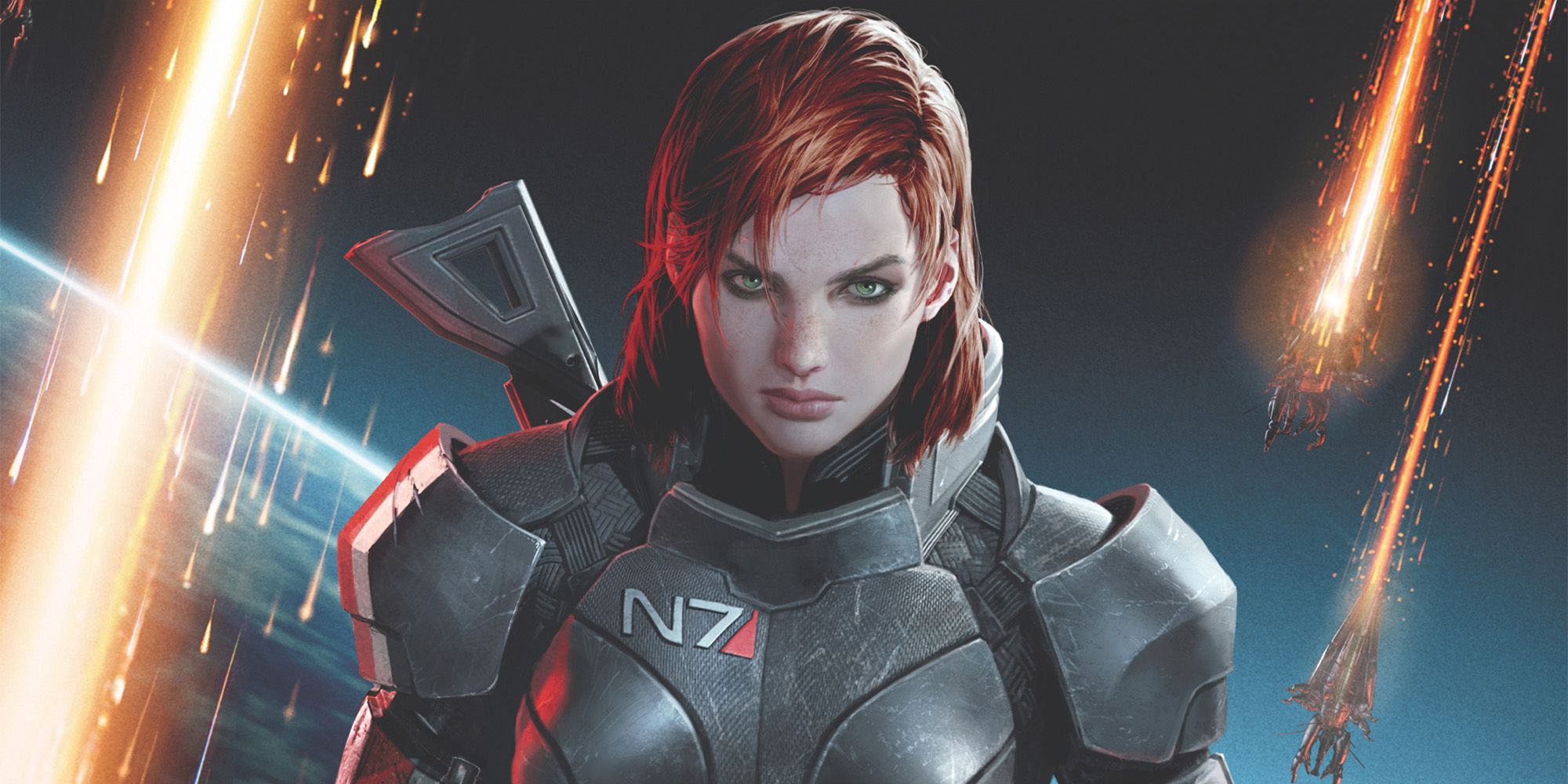
The return of a polarizing Mass Effect character has reignited fan debates—now, the actor behind the role has spoken. Not just with scripted lines or promotional soundbites, but with candid reflection on how their character’s legacy sits within the broader narrative of one of gaming’s most influential sci-fi epics. This isn’t just nostalgia. It’s reconciliation.
For over a decade, this character—known as much for their narrative weight as for their divisive reception—has lived in the liminal space between misunderstood antihero and poorly written liability. Fans have spent years dissecting every interaction, decision, and line delivery. Now, with the franchise reigniting interest, the actor’s comments offer rare insight: not only into the character’s potential future but into how creators process backlash in real time.
The Character That Split the Galaxy
Few figures in the Mass Effect trilogy sparked as much debate as this particular squadmate. Introduced during the original trilogy, they carried narrative significance tied to galactic politics, alien-human relations, and the overarching Reaper threat. But their tone, writing choices, and demeanor—often perceived as smug, out of step, or tonally jarring—earned them a reputation that outlasted their screen time.
Online forums lit up. Reddit threads stretched into the thousands. Some defended the character as a necessary foil—someone whose flaws mirrored the moral ambiguity of war. Others dismissed them as a narrative misstep, a character whose presence undermined emotional gravity during pivotal moments.
And then came silence. Years passed. The character faded into lore—until rumors of a return began circulating.
Actor Breaks Silence: “I Knew They’d Hate Me”
In a recent interview with a major gaming outlet, the actor opened up about stepping into the role again. “I knew they’d hate me,” they said. “Not because I didn’t believe in the character, but because we were asking players to accept someone uncomfortable—someone who challenged the hero.”
That self-awareness cuts through the noise. The actor didn’t deflect blame or dismiss criticism. Instead, they acknowledged the discomfort as intentional—even necessary. “Mass Effect has always been about consequences, about gray areas. This character wasn’t meant to be likable. They were meant to be real.”
The comments signal a shift in how performers in video games are beginning to view their roles—not as voice work for background NPCs, but as complex dramatic performances on par with film and television. And in that context, the character’s divisiveness becomes less a flaw, more a feature.
Why the Return Matters Beyond Fan Service
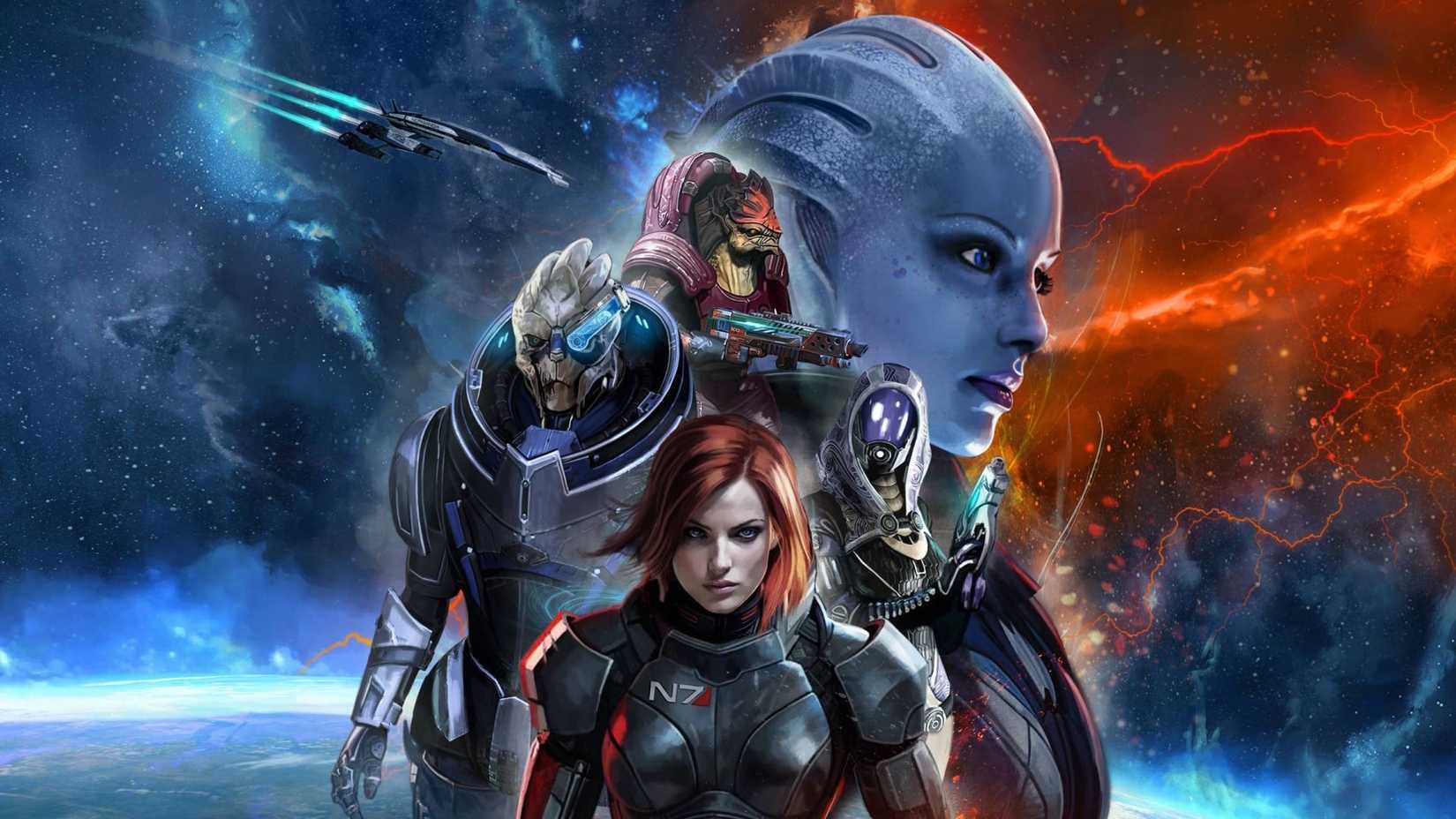
Bringing back a controversial character isn’t just about checking boxes or appeasing legacy audiences. The actor emphasized that their return—if confirmed—wouldn’t be a cosmetic callback. “We’re not dusting off an old costume,” they said. “We’re asking: what happened to this person after everything fell apart? What does regret look like when you helped save the galaxy but alienated everyone around you?”
This framing suggests deeper narrative ambitions. Reintroducing a flawed figure years later allows for growth, redemption, or even further downfall—arc structures rarely afforded in traditional game sequels. It’s a storytelling risk, yes. But it’s one that aligns with BioWare’s history of emotional, character-driven narratives.
Consider the precedent: Mass Effect 3 gave closure to many fan favorites. But some arcs felt rushed, others unresolved. A return could correct that imbalance—not by erasing past writing choices, but by building on them.
Fan Backlash and the Weight of Legacy
Still, backlash persists. Longtime players argue the character disrupted team chemistry. Others cite specific scenes—like the infamous “space dolphin” exchange or a poorly timed joke during a memorial—that broke immersion.
The actor addressed this directly: “Humor is hard in space operas. Tension needs release valves. But timing matters. We missed it sometimes.”
That admission is rare in the world of franchise PR, where damage control often means deflection. Here, the actor doesn’t minimize the missteps. They frame them as creative gambles—one that didn’t land with everyone.
And yet, they also point to private messages from fans who saw themselves in the character: socially awkward, intellectually overcompensating, desperate to belong. “They told me, ‘You made me feel seen, even when everyone else called you annoying.’ That matters more than any forum thread.”
It’s a reminder that no character exists in a vacuum. Reception is shaped by player identity, mood, playstyle—even which squadmates you chose to keep alive.
Behind the Scenes: Recording the Comeback
Details about the recording process reveal how seriously the team is treating the return. The actor described multiple script revisions, voice sessions that ran long, and deep collaboration with writers. “We weren’t just recreating old lines. We were re-examining motivations. Asking: would they still say that now? Would they even be alive?”
This level of narrative rigor suggests BioWare isn’t treating the comeback as a cash grab or Easter egg. It’s being treated as a legitimate character study—one that respects both the original trilogy and the evolution of the franchise.
The actor also hinted at new gameplay mechanics tied to the character’s return: dynamic dialogue trees that reflect past player choices, morality shifts based on previous interactions, and even alternate outcomes depending on whether the character was saved or sacrificed in earlier entries.
Could This Be a Model for Other Franchises?
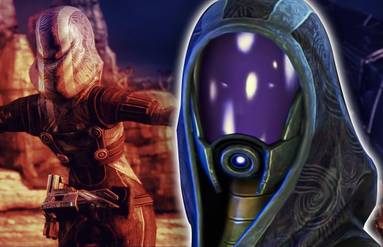
The conversation around this character’s return sets a precedent. Too often, reboots and sequels sideline or ignore controversial elements. They’re rewritten, recast, or erased. But here, the creators—and the actor—are choosing integration over erasure.
What if other franchises adopted this approach?
- Dragon Age could revisit morally questionable decisions from Origins.
- The Last of Us could explore the long-term consequences of Joel’s actions through secondary characters.
- Even Cyberpunk 2077 might bring back hated NPCs to confront the fallout of player choices.
Embracing narrative discomfort—rather than smoothing it over—can deepen emotional investment. It tells players: your reactions matter. Your memories matter. And the story isn’t over just because you closed the game.
Not Everyone Will Forgive—And That’s Okay
The actor was clear: they don’t expect universal acceptance. “Some people will roll their eyes the second they hear that voice. I get it. But I hope they give it a chance. Not for me. For the story.”
That humility is striking. It acknowledges the limits of redemption—both for characters and creators. Not every decision can be justified. Not every fan can be won back. But dialogue? That’s always possible.
A Return That Demands Context, Not Just Nostalgia
The upcoming Mass Effect project—whatever its official title—appears to be more than a remake or reboot. Early signals suggest a generational narrative, one that reckons with the past without being chained to it.
Bringing back a controversial character isn’t just about fan service. It’s a statement: that stories evolve, people change, and even the most divisive choices can lead to meaningful reflection.
The actor’s comments add a human layer to what could’ve been another PR cycle. They remind us that behind every voice is a performer who lived with that character—defended them, criticized them, grew with them.
And if the new game handles the return with the same nuance, honesty, and courage that the actor has shown in speaking about it? Then maybe—just maybe—the galaxy will be ready to listen this time.
Key Takeaways for Fans and Creators
- Acknowledge flaws, don’t erase them. Controversy can be narrative fuel.
- Listen to emotional feedback. Fan hate often points to tonal or pacing issues, not just character dislike.
- Redemption requires time. A character’s return should reflect growth, not repetition.
- Voice actors are storytellers too. Their insights can deepen audience understanding.
- Not all characters need to be loved. Some exist to challenge, provoke, or discomfort.
As development continues, one thing is clear: the return of this character isn’t just a plot point. It’s a test. For the franchise. For the fans. And for the idea that even the most criticized figures deserve a second act—if they earn it.
FAQ
What should you look for in Mass Effect Actor Reacts to Controversial Character’s Return? Focus on relevance, practical value, and how well the solution matches real user intent.
Is Mass Effect Actor Reacts to Controversial Character’s Return suitable for beginners? That depends on the workflow, but a clear step-by-step approach usually makes it easier to start.
How do you compare options around Mass Effect Actor Reacts to Controversial Character’s Return? Compare features, trust signals, limitations, pricing, and ease of implementation.
What mistakes should you avoid? Avoid generic choices, weak validation, and decisions based only on marketing claims.
What is the next best step? Shortlist the most relevant options, validate them quickly, and refine from real-world results.