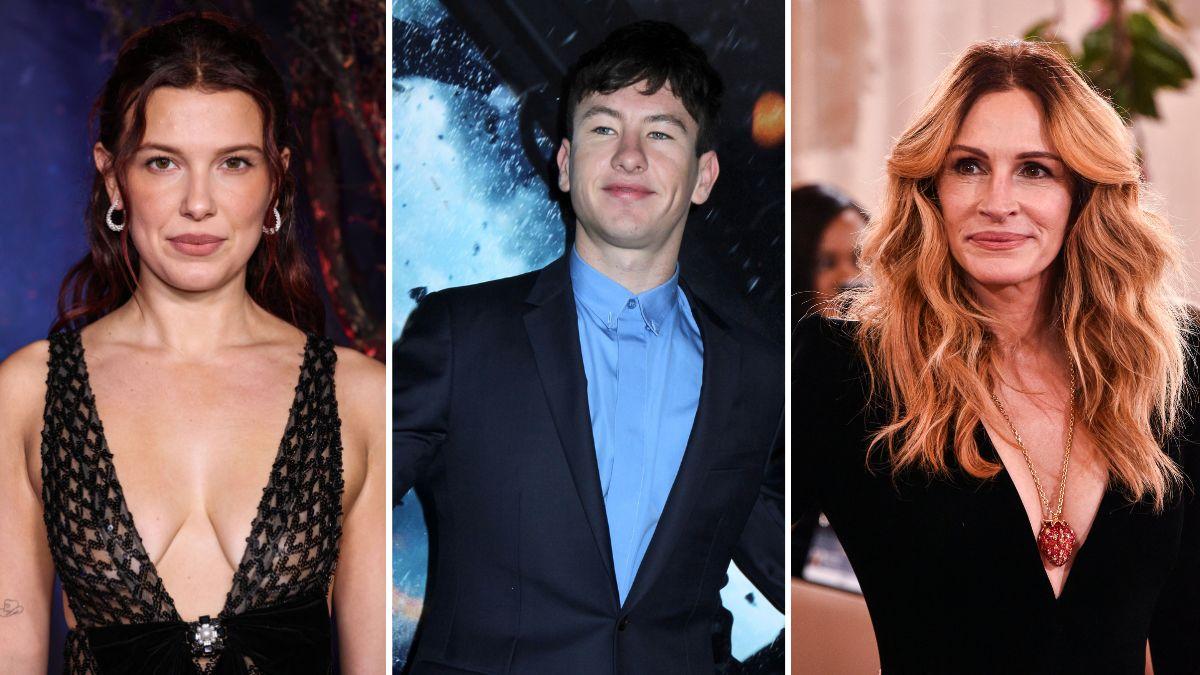
The red carpet lights shine bright, but behind the glamour, many A-listers endure a darker reality: relentless cyberbullying over their looks. From vicious memes to coordinated hate campaigns, top-tier celebrities are increasingly speaking out about the psychological toll of being mocked, scrutinized, and degraded — not for their work, but for how they appear.
This isn’t about harmless jokes or paparazzi shots. It’s about targeted digital abuse that spreads like wildfire, often initiated by anonymous trolls and amplified by parasocial fanbases. The pain cuts deep — and it’s more widespread than fans realize.
The Anatomy of Celebrity Trolling: From Jokes to Psychological Warfare
Online abuse aimed at celebrities isn’t random. It follows disturbingly consistent patterns, especially when it comes to appearance. Common tactics include:
- Facial feature ridicule: Bullying focused on noses, skin texture, jawlines, or aging signs
- Body shaming: Comments on weight gain, height, or proportions, often weaponized during public appearances
- Meme exploitation: Editing photos to distort features or create “before/after” degradation montages
- Deepfake abuse: AI-generated content used to humiliate or dehumanize
- Fan-driven pile-ons: Organized harassment under hashtags, sometimes incited by influencers
Actors like Lupita Nyong’o have been subjected to racist memes mocking her skin tone. Chris Hemsworth has been trolled for “looking weak” despite playing Thor. Florence Pugh faced brutal body-shaming after appearing in a red carpet gown, with users calling her “thick” and “unfit” — comments she later addressed head-on.
These aren’t isolated incidents. They reflect a culture where physical perfection is demanded, deviations are punished, and fame is mistaken for consent to cruelty.
“You become public property,” said Pugh in a 2023 interview. “People feel they can say anything about your body because they’ve seen you in a movie or on Instagram. It’s dehumanizing.”
Stars Who’ve Fought Back — and What It Cost Them
Speaking up often invites more abuse. Yet several A-listers have chosen to confront their trolls, turning personal pain into advocacy.
Gabriel Iglesias: From “Fluffy” to Fighting Back Comedian Gabriel Iglesias, known for his self-deprecating humor, stopped laughing when trolls began mocking his health. After undergoing significant weight loss, he posted transformation photos — only to be met with accusations of using filters or undergoing dangerous surgeries.
He responded on Instagram: > “I took control of my health. But instead of support, I get people saying I ‘don’t look real.’ When does a person get to celebrate without being dissected?”
Millie Bobby Brown: Grown-Up Under the Microscope Brown transitioned from child star to adult actress under relentless scrutiny. At 17, she posted a dance video that sparked a viral wave of body-shaming — critics calling her “too skinny,” then later “too curvy.”
She deleted social media for months, later revealing: > “I stopped existing online because I didn’t want to be part of a world that judges girls for growing up.”
Her experience mirrors that of Selena Gomez, who quit Instagram for mental health reasons, citing “cruelty” over her lupus-related weight fluctuations and facial swelling.
John Boyega: Race, Representation, and Targeted Harassment
After joining the Star Wars franchise, Boyega became a lightning rod for racist trolling. Fans created memes mocking his skin tone, facial expressions, and screen time — often rooted in xenophobia and white supremacy.
He called it “a war” in a 2020 interview: > “I walk onto a set as a Black man in a franchise that’s never had a lead like me — and suddenly my face, my voice, my presence is up for debate. Not my performance. My existence.”
Why Appearance-Based Attacks Hit Differently in Hollywood
In an industry where image is currency, being bullied over looks isn’t just emotionally damaging — it can threaten livelihoods.
The Casting Conundrum Casting directors still operate on narrow beauty standards. Actors fear that public perception of their appearance — shaped by trolling — could cost them roles.
Zazie Beetz, praised for her work in Joker and Atlanta, admitted that online commentary about her “unconventional” look made her question whether she’d be cast again in mainstream films.
“If the internet decides you’re not attractive by their standard, it starts to feel like studios will agree,” she said.
The Social Media Trap Platforms like Instagram and X (formerly Twitter) reward outrage. A single paparazzi photo can spiral into a viral hate post within hours.
- A photo of Jennifer Aniston showing natural aging lines led to headlines like “What Happened to Her Face?”
- Billie Eilish was mocked for wearing baggy clothes — until she revealed it was to avoid sexualization and body-shaming
- Simu Liu faced racist edits after Shang-Chi, with his eyes digitally distorted in memes
The damage isn’t just reputational. Studies show prolonged exposure to online harassment correlates with anxiety, depression, and PTSD symptoms — even in high-earning, high-profile individuals.
The Enablers: Fans, Media, and Algorithms
Trolling doesn’t happen in a vacuum. It’s fueled by systems that profit from outrage.
Tabloid Complicity Outlets like TMZ, The Shade Room, and certain YouTube commentary channels repurpose troll content as “entertainment.” Headlines like “Kim’s Belly Bulge: Too Much Pizza?” normalize invasive commentary.
When Kim Kardashian shared a vacation photo, multiple sites dissected her stomach in pixel-level detail — despite her having four children and being open about plastic surgery.
“They act like they’re reporting news,” said a former tabloid editor anonymously. “But they’re just feeding the troll machine. Clicks over compassion.”
Algorithmic Amplification Social media algorithms prioritize engagement — and negativity drives more clicks than positivity. A hateful comment thread gets boosted; a supportive one gets buried.
Instagram’s “suggested posts” have been known to push memes mocking celebrities’ appearances, even to users who follow mental health accounts.
This creates a feedback loop: the more people engage with abusive content (even to condemn it), the more it spreads.
How Some Stars Are Taking Control
Despite the toxicity, several celebrities are reclaiming their narratives.
Social Media Detoxing Stars like Emma Watson, Prince Harry, and Naomi Watts have significantly reduced or quit social media. Some use managed accounts with strict content policies.
“I’d rather be present in real life than perform for trolls,” Watson said.
Legal Action Scarlett Johansson sued a company for using AI to create fake videos of her. Justin Bieber has pursued legal avenues against persistent online stalkers.
While U.S. laws around cyberbullying remain weak, celebrities have more resources to push boundaries — setting precedents for broader protections.
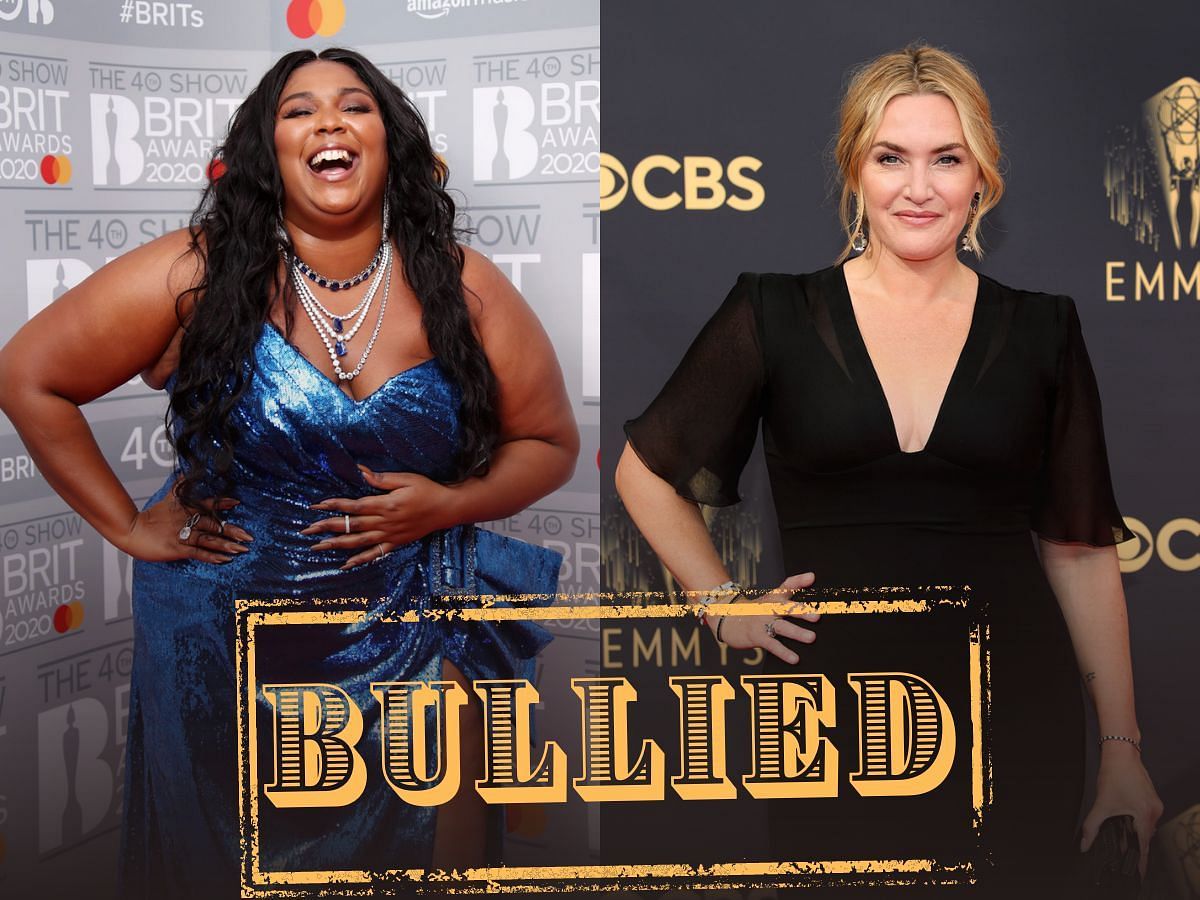
Public Advocacy Lizzo launched a campaign against body-shaming trolls, posting unedited photos and calling out meme accounts. Michael B. Jordan funded mental health resources for young Black actors facing online abuse.
These efforts go beyond self-defense — they challenge the culture enabling the cruelty.
The Human Cost Hidden Behind the Headlines Behind every viral meme is a person.
Rami Malek, after winning an Oscar for Bohemian Rhapsody, admitted he avoided mirrors for years due to bullying over his dental appearance as a child. The trolling didn’t stop with fame — it intensified.
“You’d think winning an award would silence the haters,” he said. “But the internet doesn’t care about accolades. It cares about clicks.”
The myth that celebrities “should expect it” ignores the human reality: fame doesn’t immunize against pain. If anything, it magnifies it.
What Needs to Change — and How The cycle won’t break without systemic shifts.
Platform Accountability Social networks must stop treating harassment as “user engagement.” Features like: - Mandatory troll filters - Faster takedown processes - Algorithmic demotion of hate content are technically feasible — but require ethical will.
Media Responsibility Entertainment outlets should adopt ethics guidelines that reject appearance-based ridicule, much like newsrooms avoid doxxing or non-consensual imagery.
Fan Culture Shift Support doesn’t mean silence. Fans can call out abuse in comment sections, report malicious accounts, and celebrate stars for talent — not just aesthetics.
“We need to stop treating celebrities like products,” said psychologist Dr. Nina Vasan. “They’re people. And cruelty, even behind a screen, has consequences.”
The Bottom Line: Fame Isn’t Consent
Being a star doesn’t make someone a target. Being visible doesn’t justify violation.
The stories of Lupita, Florence, John, and so many others aren’t just cautionary tales — they’re calls for empathy. As long as appearance-based trolling thrives unchecked, no one is truly safe from its reach.
For fans, creators, and platforms: the power to change this is in your hands. Start by seeing the person behind the pixel.
FAQ
Why do celebrities get bullied over their looks more than others? Because their images are constantly circulated, dissected, and commodified. Public visibility, combined with rigid beauty standards in Hollywood, makes them easy targets.
Can online trolling affect a celebrity’s career? Yes. Persistent negative narratives about a star’s appearance can influence casting decisions, brand deals, and public perception — especially in image-driven industries.
Have any celebrities successfully stopped trolling? No one eliminates it completely, but figures like Lizzo and John Boyega have reduced its impact through legal action, public shaming of trolls, and platform changes.
Is appearance-based trolling illegal? In most cases, no — unless it includes threats, hate speech, or non-consensual imagery. Legal systems lag behind digital abuse.
Do fans contribute to celebrity bullying? Yes, sometimes unintentionally. Sharing memes, engaging in “roast” threads, or commenting on body changes can normalize harassment.
How can I support celebrities facing online abuse? Report abusive content, avoid sharing degrading memes, and amplify positive messages. Silence enables trolling.
Are younger stars more vulnerable to appearance-based trolling? Often, yes. Child stars like Millie Bobby Brown or Jacob Elordi transition into adulthood under extreme scrutiny, with trolls weaponizing their growth and changing bodies.
FAQ
What should you look for in Hollywood Trolling Horror: A-Listers Expose Relentless Bullying? Focus on relevance, practical value, and how well the solution matches real user intent.
Is Hollywood Trolling Horror: A-Listers Expose Relentless Bullying suitable for beginners? That depends on the workflow, but a clear step-by-step approach usually makes it easier to start.
How do you compare options around Hollywood Trolling Horror: A-Listers Expose Relentless Bullying? Compare features, trust signals, limitations, pricing, and ease of implementation.
What mistakes should you avoid? Avoid generic choices, weak validation, and decisions based only on marketing claims.
What is the next best step? Shortlist the most relevant options, validate them quickly, and refine from real-world results.